Choosing the right approach to finding downloaded files location starts with clear context, practical filters, and realistic expectations.
Understanding Download Files Location
When you download a file from the internet, it can be frustrating if you can't find it on your computer. The downloaded files location varies depending on the device, operating system, and web browser you're using. Typically, web browsers save downloaded files to a default folder, which can be changed in the browser settings.
Default Download Locations The
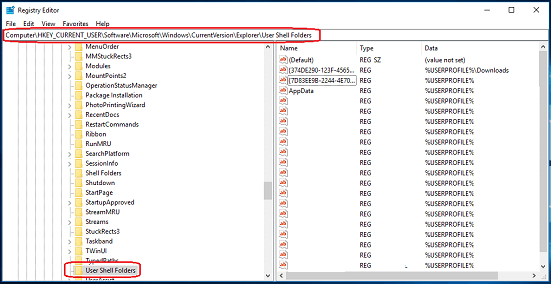
default download location for most devices is the "Downloads" folder. On Windows, this folder is usually found in the user's profile directory, while on Mac, it's located in the user's home directory. Mobile devices, such as Android and iOS, also have a default download folder, which can be accessed through the device's file manager.
Changing Default Download Location
If you want to change the default download location, you can do so in your web browser's settings. For example, in Google Chrome, you can go to Settings > Advanced > Downloads and select a new folder for your downloaded files. Similarly, in Mozilla Firefox, you can go to Options > General > Downloads and choose a new download folder.
Managing Downloaded Files
Managing downloaded files is essential to maintain a organized digital life. Here are some tips to help you manage your downloaded files:
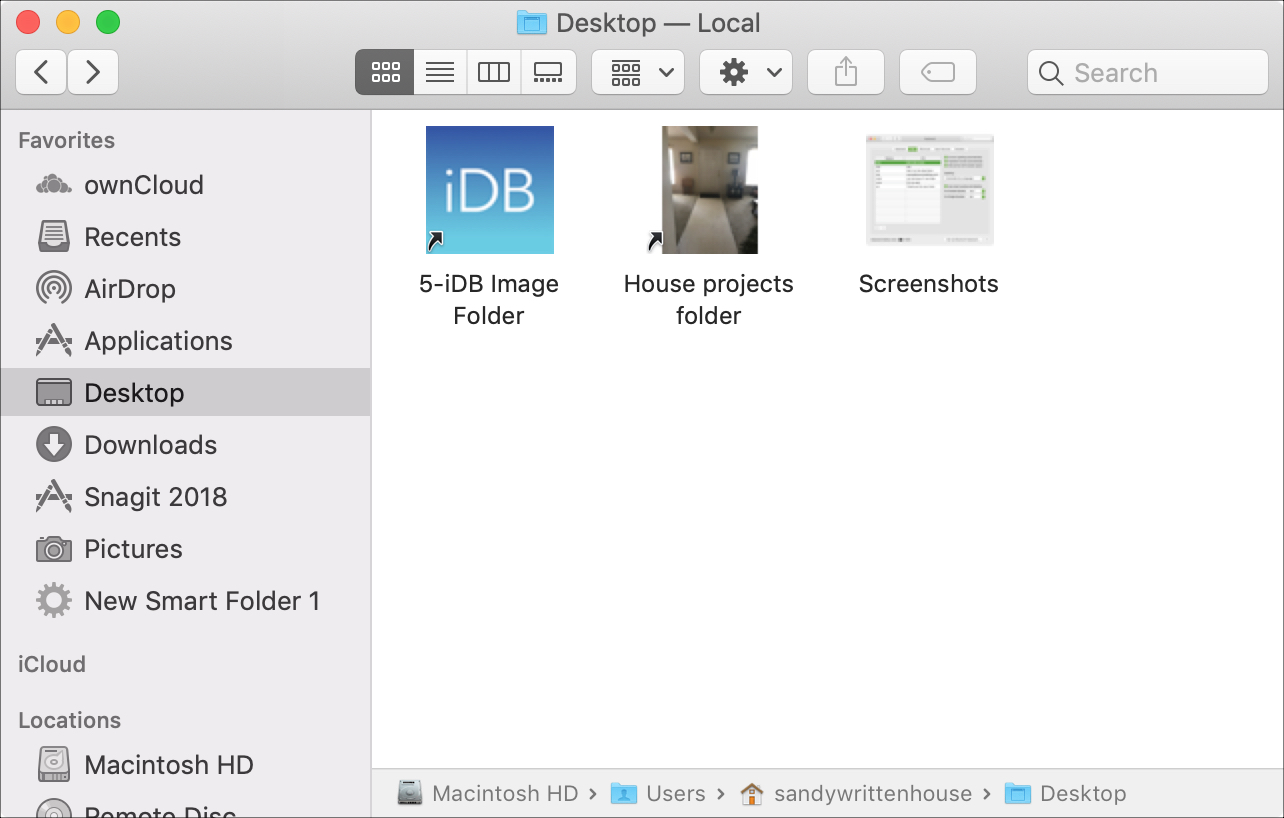
- Create a separate folder for each type of file, such as documents, images, and videos.
- Use a consistent naming convention for your files to make them easier to find.
- Consider using a cloud storage service, such as Google Drive or Dropbox, to store and access your files from anywhere.
Tools for Managing Downloaded Files
- There are several tools available to help you manage your downloaded files. Here are 5 options:
- File Explorer: A built-in file manager for Windows that allows you to view, organize, and manage your files.
- Finder: A built-in file manager for Mac that enables you to view, organize, and manage your files.
- ES File Explorer: A popular file manager for Android devices that offers a range of features, including file browsing, zip/unzip, and cloud storage integration.
- Documents: A file manager for iOS devices that allows you to view, organize, and manage your files, as well as integrate with cloud storage services.
- WinZip: A file compression and management tool that enables you to zip, unzip, and manage your files.
Common Mistakes to Avoid When managing downloaded files, there are several common mistakes to avoid:
- Not organizing your files: Failing to create a folder structure and naming convention can make it difficult to find your files.
- Not checking file types: Downloading files without checking their type can lead to malware or virus infections.
- Not updating your operating system: Failing to update your operating system can leave you vulnerable to security risks and make it difficult to manage your files.
Practical Examples Here are some
practical examples of how to manage downloaded files:
- If you download a lot of documents, create a separate folder for each type of document, such as work documents, personal documents, and receipts.
- If you download a lot of images, consider using a photo management tool, such as Adobe Lightroom, to organize and edit your photos.
- If you download a lot of videos, consider using a video management tool, such as VLC media player, to organize and play your videos.
Limitations and Workflow Tips When managing downloaded files, there are several limitations and workflow tips to consider:
- Storage space: Make sure you have enough storage space on your device to store your downloaded files.
- File format: Be aware of the file format of your downloaded files and ensure you have the necessary software to open and edit them.
- Security: Always check the source of your downloaded files and ensure they are from a trusted website.
Conclusion Managing downloaded files is an essential part of maintaining a organized digital life.
By understanding the default download location, changing it if necessary, and using tools to manage your files, you can keep your files organized and easily accessible. Remember to avoid common mistakes, such as not organizing your files and not checking file types, and use practical examples and workflow tips to optimize your file management.